Melissa: The Artisanal Script for Authentic Branding
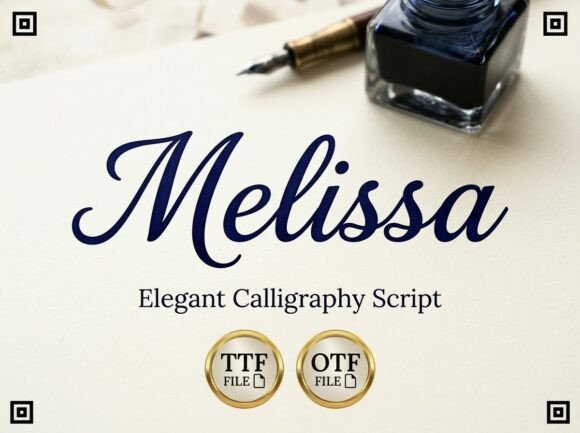
In a digital landscape saturated with sterile, geometric sans serif fonts, there's a growing hunger for something that feels genuinely human. We want design assets that whisper rather than shout, that carry a sense of story and craft. This is precisely the space where the Melissa typeface excels. It’s not just another script font; it's a carefully crafted tool for designers and creators who want to infuse their work with a distinct, personal voice. The fluid, rhythmic flow of its letterforms captures the essence of artisanal penmanship, offering a balanced "human touch" that feels both intimate and professionally crafted. Its sweeping ascenders and clean terminals provide a subtle visual "vibration," making any headline feel spontaneous, warm, and timeless.
More Than Just a Pretty Script: Understanding the Personality of Melissa
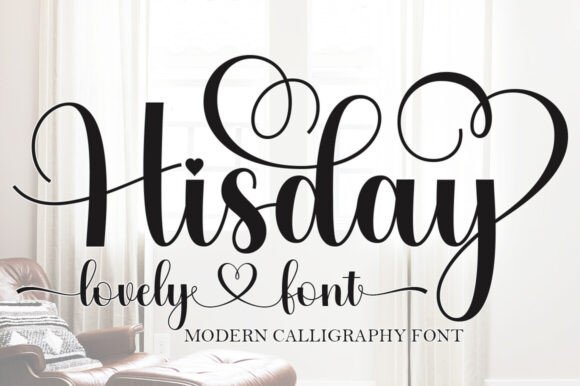
At first glance, Melissa is an elegant calligraphy script. But its value lies in its nuanced personality. It avoids the extremes of overly formal, flourished wedding fonts and the casual, messy look of trendy handwritten fonts. Instead, Melissa finds a sophisticated middle ground. The connections between its letters are thoughtful and fluid, creating a natural, rhythmic pace that guides the eye. This isn't the kind of script font you use for long paragraphs of body text. Its true strength is as a display font, designed to command attention in headlines, logos, and mastheads where character and emotion are paramount.
Think of it as the typographic equivalent of a firm, friendly handshake. It communicates approachability and confidence without sacrificing elegance. This unique character makes it a versatile creative font for a wide range of projects. For a small-batch skincare brand, it suggests handcrafted quality. For a photographer's watermark, it adds a personal signature without distracting from the image. For a lifestyle blogger's logo, it feels authentic and curated. This is the power of a well-designed premium font—it does more than display words; it communicates a feeling and builds a brand identity.
Putting Melissa to Work: Practical Applications Across Your Projects
The true test of any typeface is how it performs in the real world. Melissa’s strengths are best leveraged in specific contexts where its personality can shine. Here’s a practical breakdown of where this font truly excels.
Logo Design and Personal Branding
For logo design, especially for solopreneurs, consultants, artists, and boutique businesses, Melissa is a standout choice. Its signature-style flow creates an immediate sense of authenticity. It tells a potential client or customer that there's a real person behind the brand who cares about the details. Use it for your primary logo lockup or as a secondary element to add a personal touch to a more structured serif font or sans serif font. The key is to use it sparingly and with intention, ensuring it’s rendered at a size where its elegant details are legible.
Publishing and Editorial Design
In the world of editorial design, typography is crucial for setting the mood. Melissa works beautifully for magazine mastheads, chapter titles in books, pull quotes, and feature story headers. It can break up the monotony of long-form text, adding a moment of visual interest and emotional resonance. Imagine a cookbook where recipe titles are set in Melissa—it immediately evokes a sense of home cooking and tradition. In a travel magazine, it can lend a dreamy, personal quality to headlines. However, always pair it with a highly readable body font, like a classic serif or a clean sans serif, to maintain clarity and a strong visual hierarchy.
Digital and Print Marketing
For social media graphics, email headers, and website hero sections, Melissa can help your content stand out. A well-placed quote or call-to-action in this script font can increase audience engagement by adding a layer of personality and warmth. It’s particularly effective for brands in the lifestyle, wellness, food, and creative spaces. In print, consider it for packaging design on artisanal goods, boutique shopping bags, or high-end invitation suites. It elevates the perceived value of the product, contributing to a more luxurious and thoughtful brand identity.
A Designer's Guide to Using Melissa Effectively
Adopting a new font like Melissa into your design toolkit requires a thoughtful approach. It’s a powerful design asset, but its impact depends on how you use it.
- Evaluate the Project Fit: Before you even open your design software, ask yourself: Does this project call for a human, artisanal, or elegant feel? Melissa is perfect for a wedding photographer's brand but might feel out of place for a tech startup's main interface. Always start with the project's goals and audience.
- Master the Font Pairing: This is critical. Because Melissa is a high-character script, it needs a quiet partner. Pairing it with another ornate font will create visual chaos. The best practice is to combine it with a simple, clean, and highly legible typeface. A versatile sans serif font like Montserrat or a classic serif font like Garamond can provide the perfect stable foundation, allowing Melissa's elegance to shine without overwhelming the design.
- Test for Readability: Always, always test your typography at the intended size and on the intended medium. What looks stunning as a large header on your 27-inch monitor might become an unreadable blur on a mobile phone screen. Ensure there is enough contrast between the text and the background. The goal is beauty, but never at the expense of clarity.
- Understand the License: If you are using Melissa for commercial projects—a client's logo, a product you sell, marketing materials—ensure you have the correct commercial license. Most premium fonts come with specific terms of use. Respecting the font creator's work is essential and protects you legally.
Ultimately, a font like Melissa is more than just a collection of letters. It's a voice. Used with intention, it can transform a simple design into something that feels personal, polished, and profoundly memorable. It’s a reminder that in our increasingly digital world, the most effective communication often still has a human heart.